


A Free World Matters. Learn to Defend and Lead It.
A Bachelor’s Degree for the Next Generation of National Security Leaders
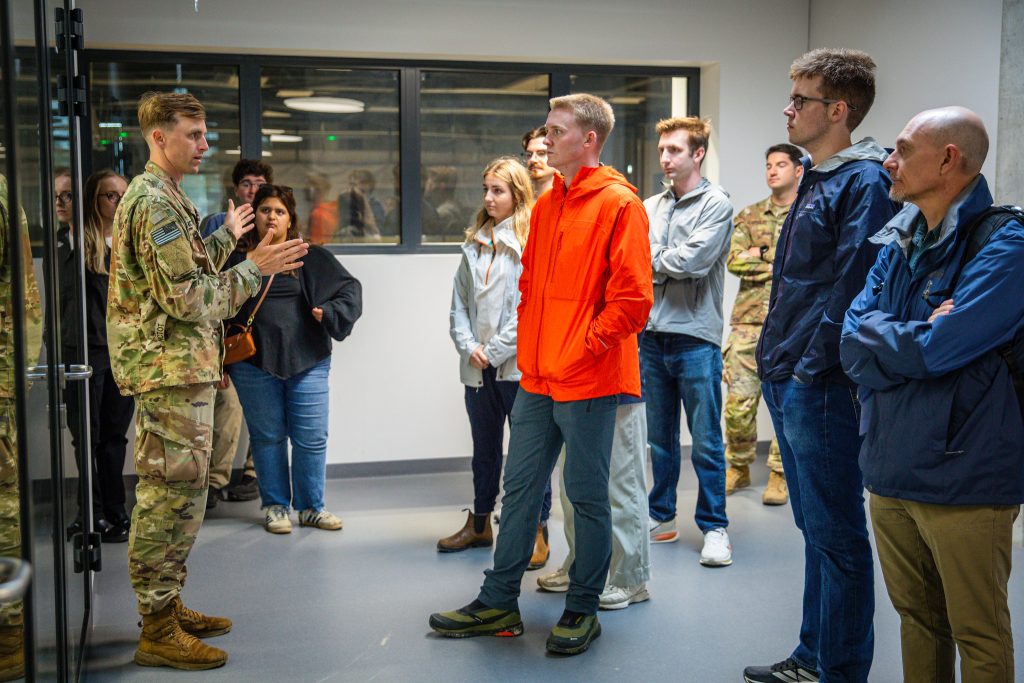
We would love to connect and share more details about the major with you!
Walk-in hours available October 30, November 6, November 13, and November 20. We welcome you to stop by any time between 11 a.m. and 12:30 p.m., FAC 428a.
War and peace. Power and restraint. When to act, and when to hold back. The world’s highest-stakes decisions fall to people who have learned to reason clearly about them, and the Bachelor of Arts in Strategy and Statecraft Honors is built to prepare you to be one of them.
Our starting point is the Declaration of Independence: States are sovereign, all men and women are created equal. Embracing those principles while determining the appropriate course of action when foreign governments act maliciously or when people act wickedly has never been easy. You’ll study the classic texts of strategy, the history of war and diplomacy, and how leaders connect strategy to action. You’ll develop the judgment, historical perspective, and analytical skill to weigh competing interests and think rigorously about decisions made under uncertainty. You’ll learn all of this within the context and parameters of the U.S. Constitution and the finest American political traditions that preserve and inspire a free people and an ordered liberty. We will also deal honestly and thoroughly with instances when the United States did not live up to its own standards. It’s a humanities education with a clear purpose: giving you the intellectual foundation to lead where it matters most.
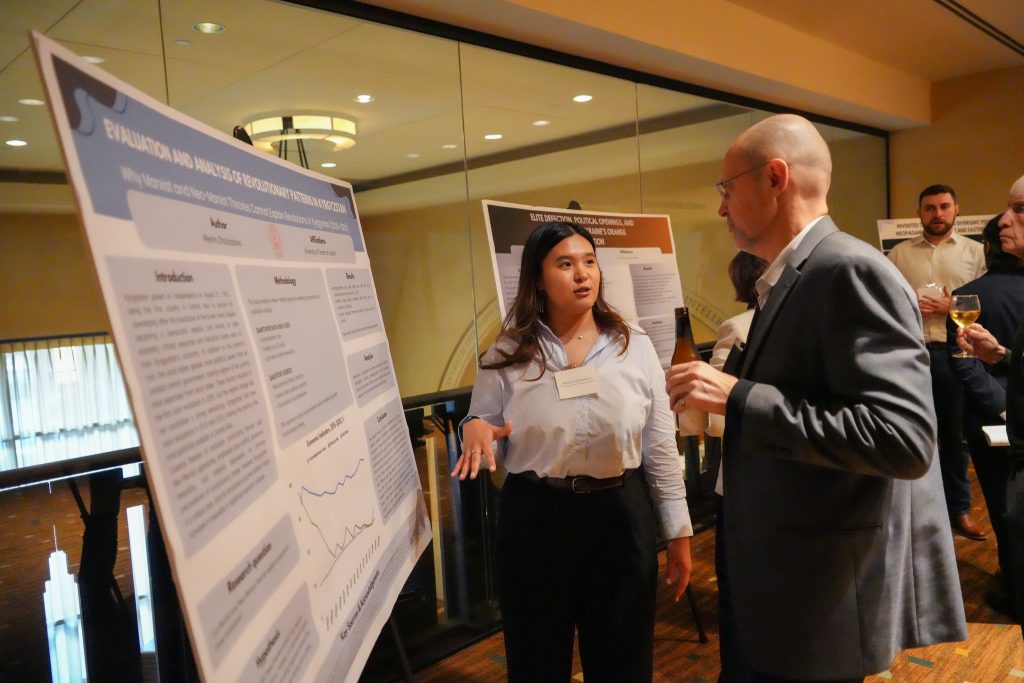
It’s also one of the few undergraduate programs in the country built entirely around strategy and statecraft. The degree is offered by the Clements Center for National Security. Our faculty combine top-tier scholarship with firsthand government experience in diplomacy, intelligence, defense, and high policy. Students have access to programs that reach far beyond the classroom, including study abroad in London, Korea, France, Japan, the Middle East, and Eastern Europe. We even host an intelligence academy in Washington, D.C. Unlike broader social science degrees, Strategy and Statecraft provides in-depth, sustained study of history and the classic texts of political and military strategy, a capstone in strategic analysis, a professional internship, and the full Clements Center community behind you.
Launch a Career in National Security
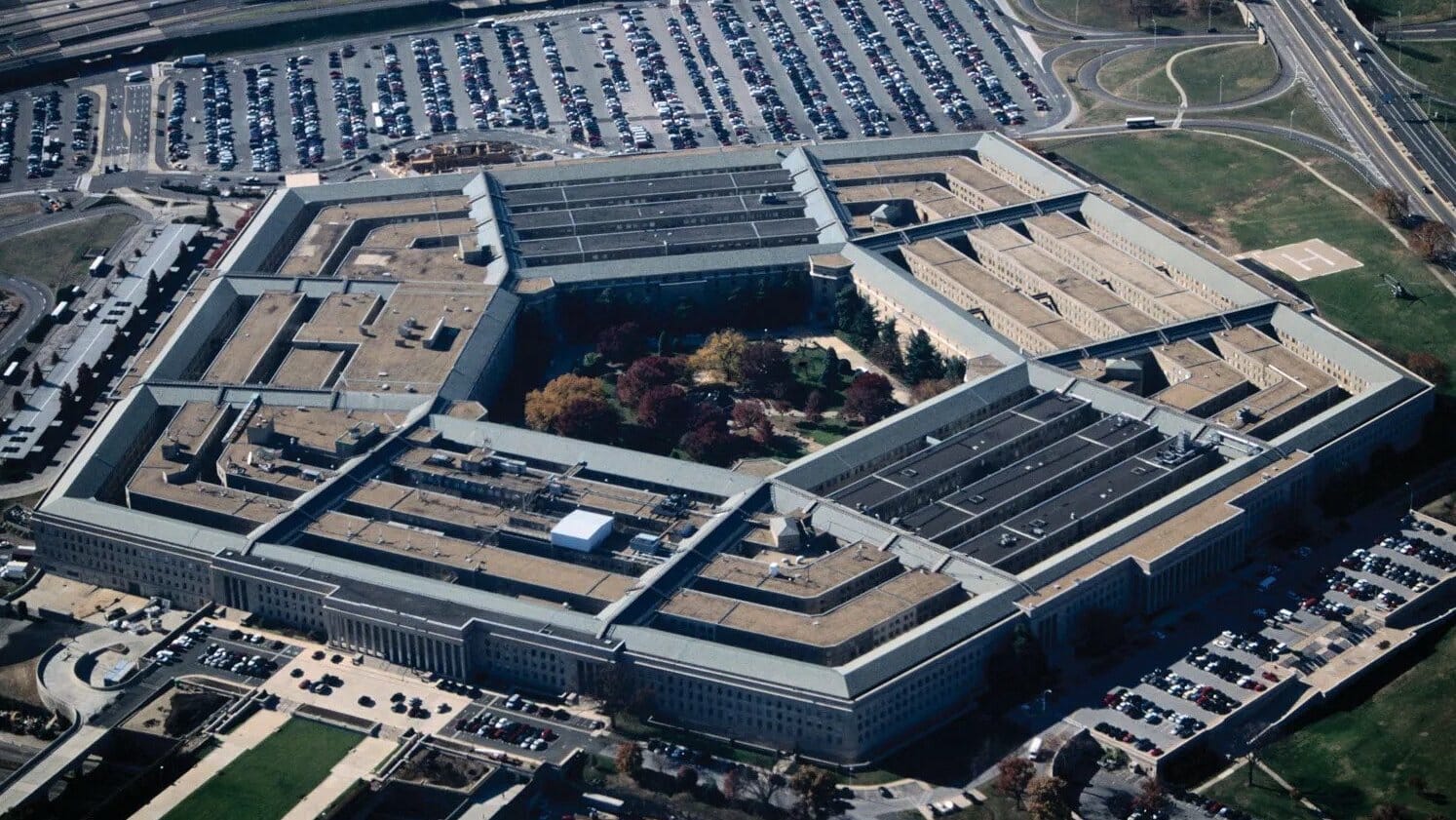
Graduates of Strategy and Statecraft are prepared for a wide range of careers across government, the military, and a fast-growing private sector, in a field where demand is projected to grow well above the average for all U.S. occupations over the next decade. The analytic writing, historical judgment, and regional expertise you’ll build map directly to roles across the profession, in areas such as:
- Diplomacy — Foreign Service Officer and Civil Service analyst roles at the U.S. Department of State
- Intelligence — all-source, political, regional, and counterterrorism analyst roles across the Intelligence Community (CIA, DIA, NSA, NGA, ODNI, and others)
- Defense —regional, theater, cyber, and nuclear strategists
- Military service — a commission as an officer through ROTC. The major is an ideal complement to ROTC training and points naturally toward combat arms, military intelligence, and strategic plans specialties.
- Private sector and consulting — program and strategic analysts at defense and defense-technology firms, and country- and political-risk analysts at global consultancies
- Research and policy — research roles at leading think tanks, plus strong preparation for law school and top graduate programs in history and policy; top students will be well prepared and competitive as applicants to top PhD programs
Build Expertise in Strategy and Statecraft
As a Strategy and Statecraft major, you’ll build a distinctive foundation in the history, texts, and practice of strategy. The degree totals 120 credit hours, including 42 hours in the major (about a third of your total coursework), a substantial foreign language requirement, a hands-on internship, and a capstone project. See details below.
You’ll complete 42 credit hours in the major, spread across four connected areas that move from foundational ideas to applied analysis:
- Classic Texts (6 hours) — Classic Texts of Strategy and Statecraft I and II. The enduring works that have shaped strategic thought for centuries.
- Military and Diplomatic History (12 hours) — American Military and Diplomatic History I and II, plus 6 hours of non-American military and diplomatic history (e.g., East Asia, Russia, India, the Middle East, and more).
- Practice of Statecraft (6 hours) — Topics and Advanced Topics in the Practice of Statecraft. How strategy is actually made and executed, taught by the top women and men who were in the room where it happened.
- Capstone in Strategic Analysis (6 hours) — Advanced Strategic Analysis and the Capstone in Strategic Analysis. Employ the skills of applied history and political science to assess adversary capabilities.
Plus 12 elective hours chosen from an extensive menu of Strategy, Statecraft, and History courses, including Grand Strategy in Theory and Practice; Strategy, Statecraft and Justice; and Statecraft and War in Literature.
You’ll develop proficiency by completing 12 upper-level credit hours in a modern foreign language, a direct asset for country expertise and a real advantage in the national security workforce. Options span more than two dozen languages, including Arabic, Chinese, Russian, Persian, Korean, Spanish, French, German, Ukrainian, and Swahili. Starting a language from scratch? Lower-division coursework builds you toward the upper-level requirement, and your academic advisor will help you map the sequence.
You’ll complete a 3-hour internship that connects your studies to the field and builds professional experience.
Alongside the major, you’ll complete the University’s Core Curriculum (42 hours) and free electives to reach the 120-hour degree total, giving you room to explore other interests or add a minor or certificate.
Learn from Experts and Scholars in the Field
The Strategy and Statecraft major draws on faculty affiliated with the Clements Center for National Security: historians, political theorists, and experts in diplomacy, intelligence, and defense. Many combine top-tier scholarship with firsthand experience in government and the national security community. You’ll work alongside them in seminars, research, and one-on-one mentorship. Faculty you may study with include:
- David Marlowe, former CIA Deputy Director for Operations
- Sheena Greitens, renowned expert on the Chinese Communist Party and Chinese defense policy
- Charlie Laderman, renowned diplomatic and military historian
- Jeremy Friedman, renowned historian of Russia, revolutions, and political movements

More Than a Major: Join the Clements Center Community
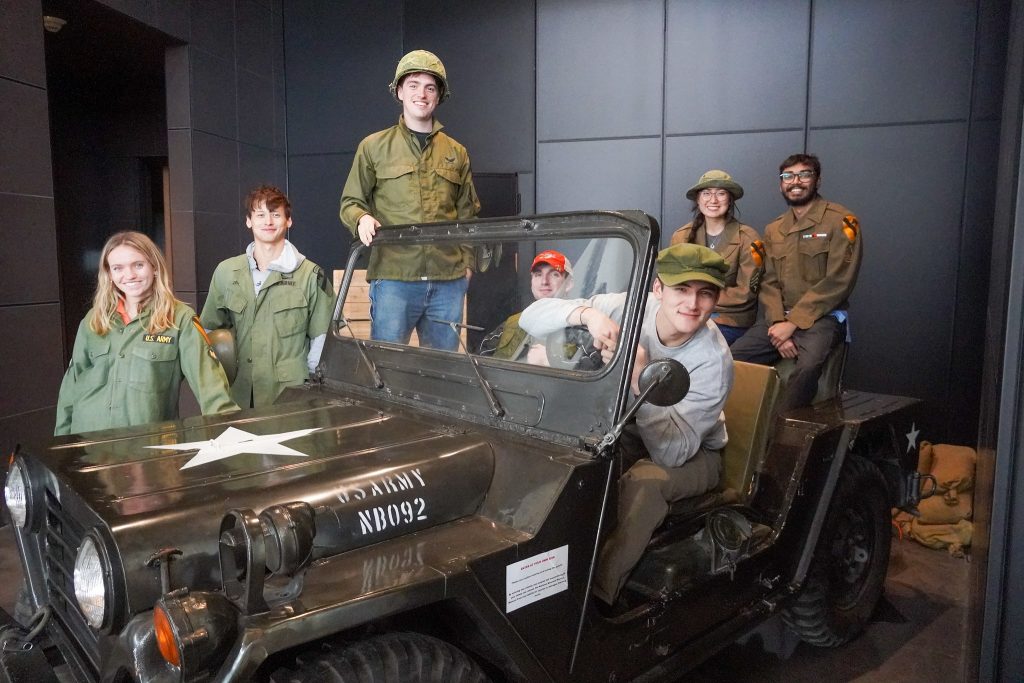
Majoring in Strategy and Statecraft connects you to everything the Clements Center for National Security has to offer: a community of scholars, practitioners, and peers, plus a range of programs that extend your learning far beyond the classroom. As a Strategy and Statecraft student, you’ll have access to opportunities like:
- Undergraduate Fellows Program — For students pursuing national security careers, offering reading groups, meetings with distinguished scholars and policy leaders, and professional mentorship
- Study abroad and immersive learning with the Center’s London May Term, Korea May Term, and Summer Beyond Borders program
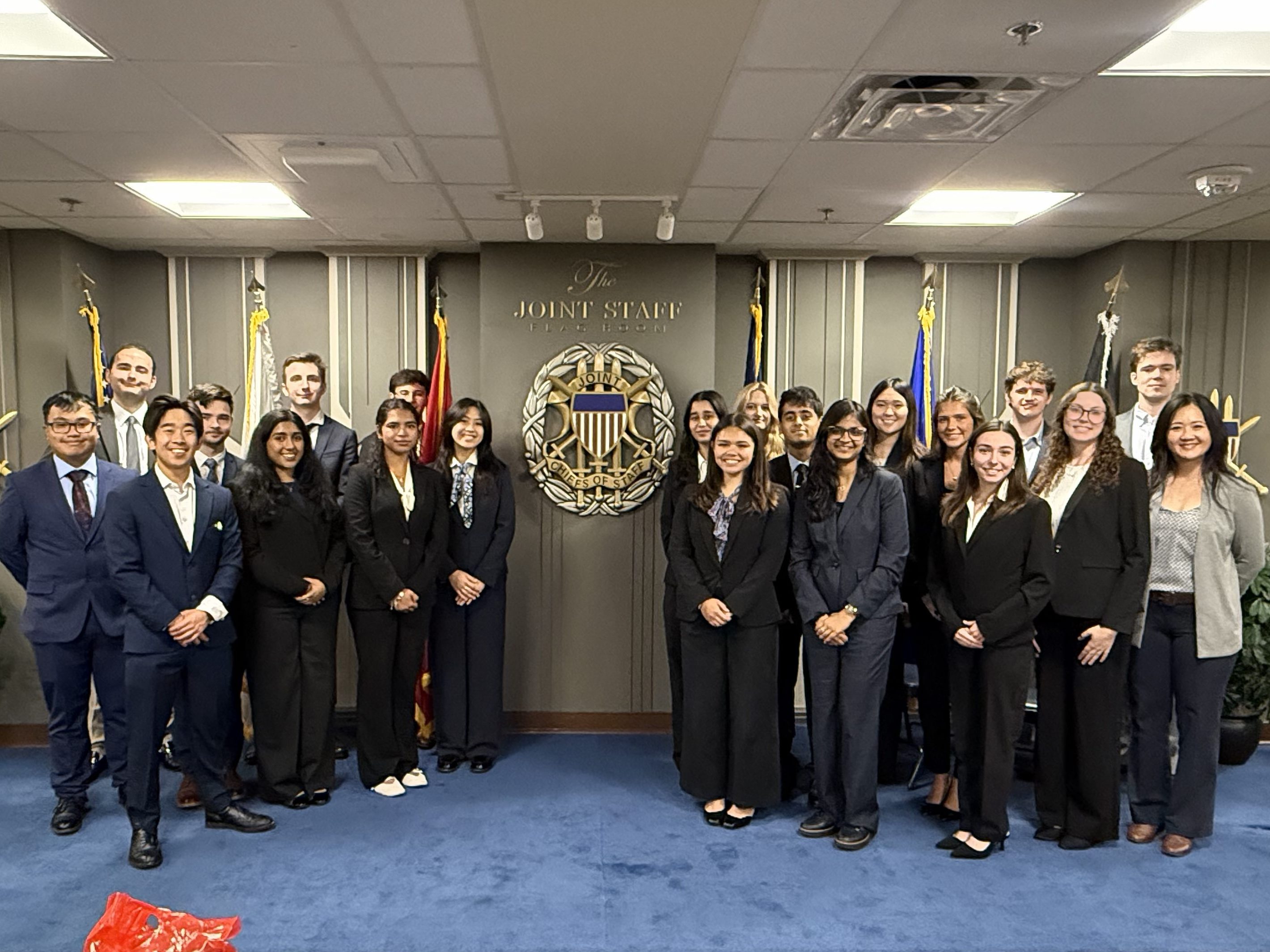
- Texas Intelligence Academy — An immersive introduction to U.S. intelligence and cabinet level decision making through lectures, moderated discussions, simulation exercises, and site visits in the Washington, D.C., area
Also, throughout the semester, you’ll have a front-row seat to the Clements Center’s signature events, where prominent policymakers, military leaders, and scholars come to campus to discuss the most pressing issues in national security.
Recent events have featured former Secretary of Defense and CIA Director Robert M. Gates; General (Ret.) Vince Brooks on war powers and the use of force; former Secretaries of State Condoleezza Rice, Antony Blinken, and Rex Tillerson; former Director of National Intelligence Avril Haines; former U.S. Ambassador to NATO Kay Bailey Hutchison; and many others. Students hear from, and engage directly with, the people shaping U.S. strategy.
The Next Generation of National Security Leaders Starts Here
Applications for Fall 2027 open August 1 and incoming freshmen students should apply to The University of Texas Austin through UT Austin Admissions via the Common App or Apply Texas.
Already at UT? Current students can apply to transfer into the major through internal transfer.
Frequently Asked Questions
Select Strategy and Statecraft as your first-choice major on your ApplyTexas or Common App application. Applications for Fall 2027 open August 1.
Yes. Current UT students can apply for internal transfer into the Strategy and Statecraft major.
Yes, and it’s a natural fit. The major is an ideal complement to Army, Navy, or Air Force ROTC and points toward specialties like the combat arms and military intelligence.
You don’t need prior language experience to choose this major. Lower-division courses build you toward the 12 upper-level hours the degree requires, and your academic advisor will help you plan the sequence from your first semester.
Yes. The degree’s free electives leave room to add a minor or certificate, and many students pair the major with complementary fields such as a business, economics, or computer science. Your advisor can help you map a double major.
Yes. This is already an honors program.
Graduates are prepared for careers in public service. You can serve in the executive branch, working in diplomacy, intelligence, defense, and as a member of uniformed military services. You can serve as a foreign policy advisor to elected officials and congressional and senate committees. You can work in the fast-growing fields of political-risk consulting, defense technology, and policy research. This degree will also prepare you for law school and top masters and PhD programs. See “Launch a Career in National Security” above for specific roles.