

Clements Center Completes Summer Beyond Borders Program in the Baltic States
Jul 01, 2026
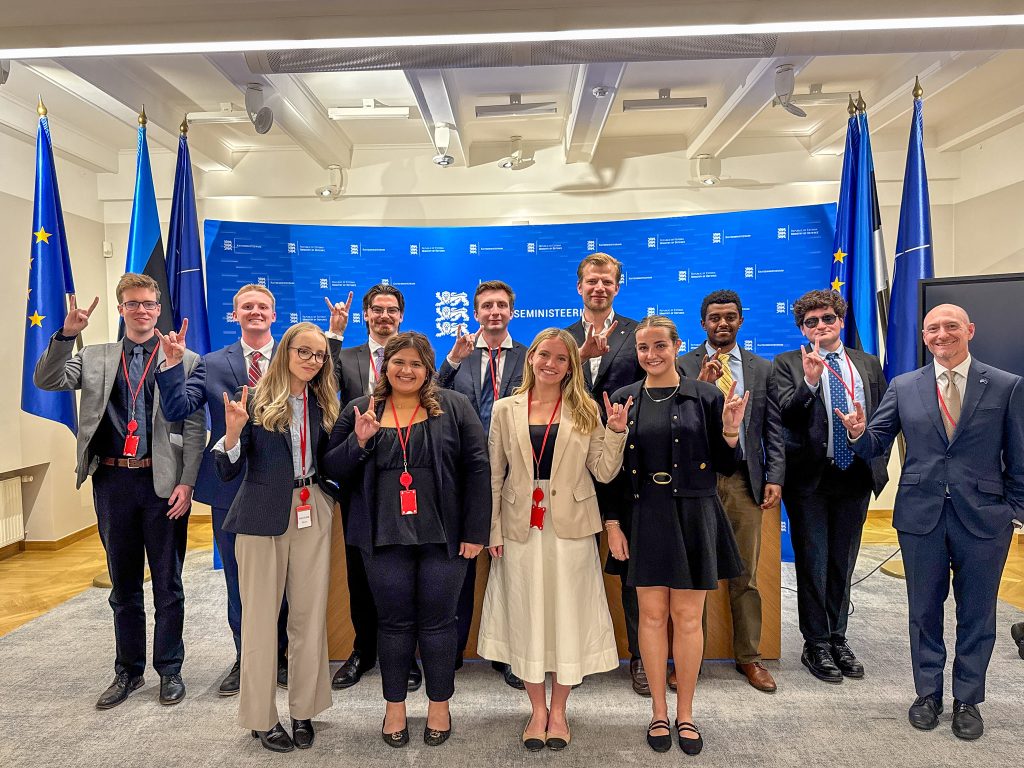
Nine students spent two weeks in Lithuania, Latvia, and Estonia examining the history, geopolitics, and security challenges of a region at the front edge of NATO’s collective defense.
The Clements Center for National Security concluded its Summer Beyond Borders program this June, bringing nine students to Lithuania, Latvia, and Estonia for two weeks of lectures, site visits, and conversations with practitioners across the fields of security, defense, and international affairs. The program—Baltic Perspectives: History, Geopolitics, and Security in the 20th and 21st Centuries—brought students to the eastern edge of NATO’s collective defense. Over two weeks, the itinerary ranged from a training area roughly seven miles from the Belarusian border to roundtable discussions on hybrid warfare in Tallinn.
The three Baltic states—Estonia, Latvia, and Lithuania—are among the most strategically exposed territory in contemporary European security. All three are NATO members, all three host multinational NATO battlegroups as part of the Alliance’s Enhanced Forward Presence, and all three share borders or close proximity to Russia or its ally Belarus. The Beyond Borders program was designed to show students that strategic reality firsthand, moving them through the region country by country and combining academic lectures with firsthand visits to sites and institutions across the region.
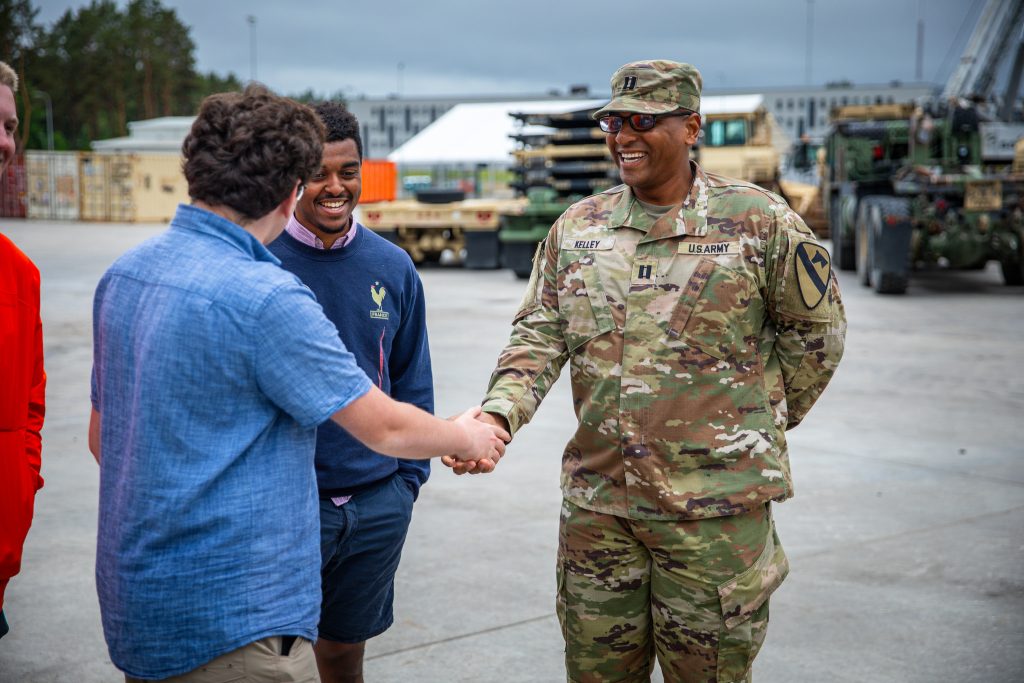
The program opened in Lithuania with a visit to the Pabradė Training Area. Located approximately seven miles from the Belarusian border, the facility is home to the Lithuanian Riflemen’s Union (LRU), an all-volunteer force whose members train alongside U.S. forces as part of NATO’s eastern flank defense efforts. Students met the first graduates of the LRU Commando School at their final training event and observed U.S., Croatian, Czech, Lithuanian, Dutch, German, and Norwegian soldiers operating together—a working illustration of what collective defense looks like.
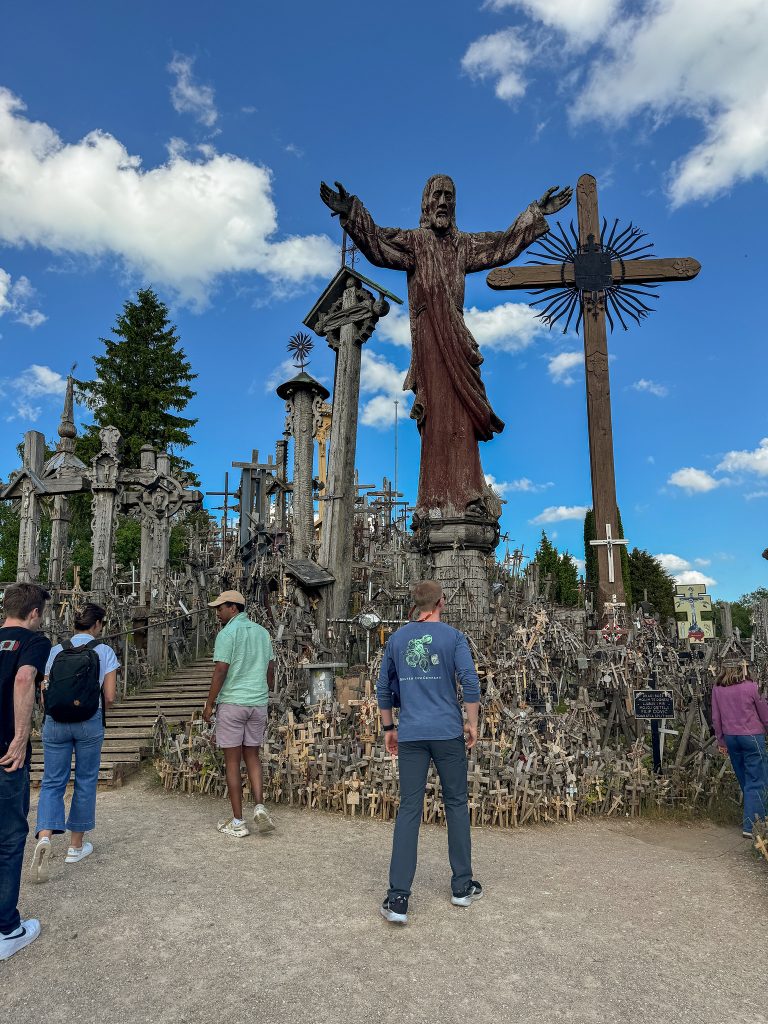
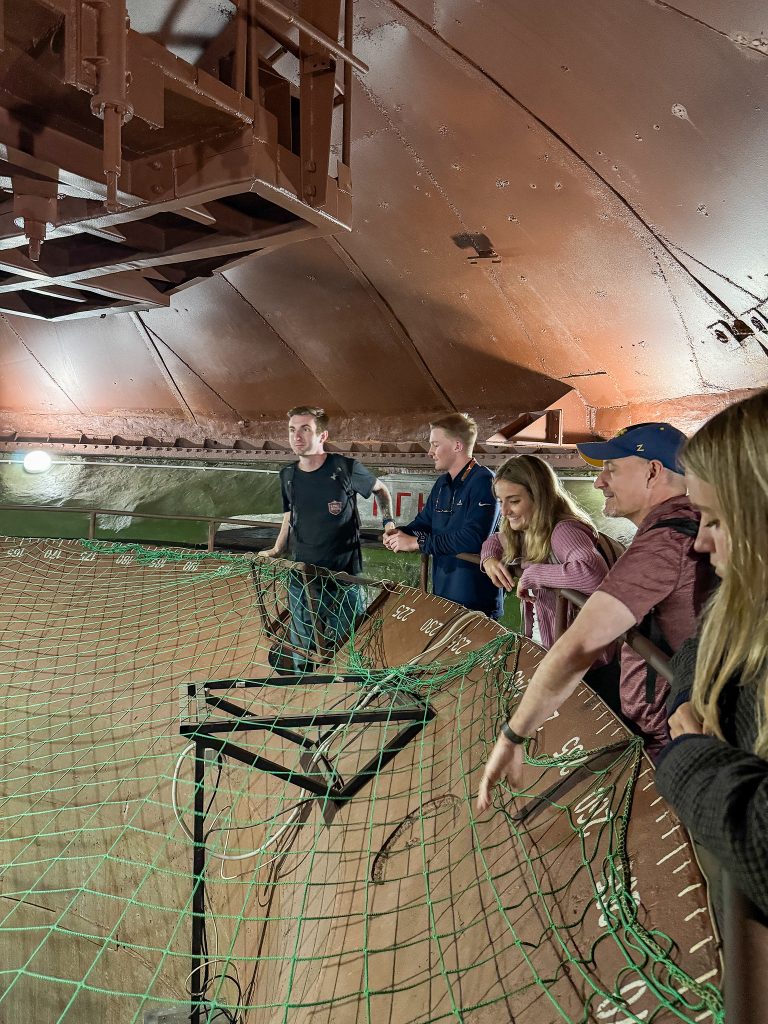
Lithuania’s itinerary spanned both military installations and historical landmarks. A visit to the Plokštinė Missile Base—the Soviet Union’s first underground nuclear missile base, built in secret in the 1960s and now a Cold War museum—allowed students to descend into the silos themselves. The Hill of Crosses, a pilgrimage site where Lithuanians placed crosses as acts of resistance throughout Soviet occupation, offered a different perspective. And a tour of a Cold War–era underground bunker in Vilnius added further depth to the Soviet period, as did a lecture series at Vilnius University.
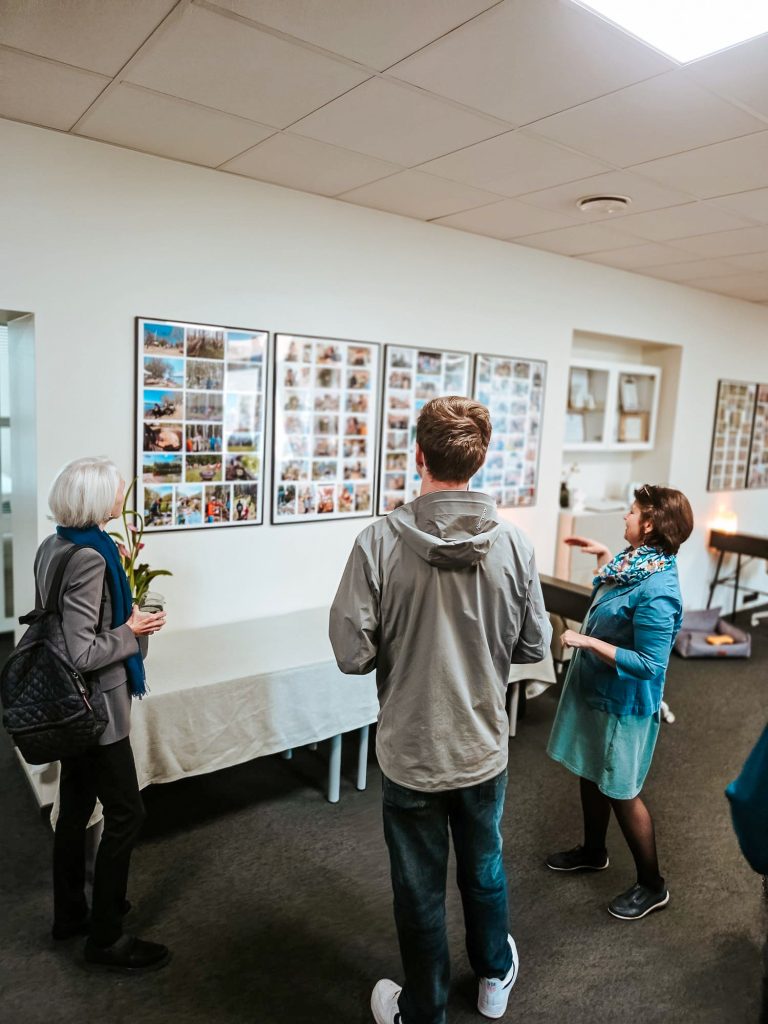
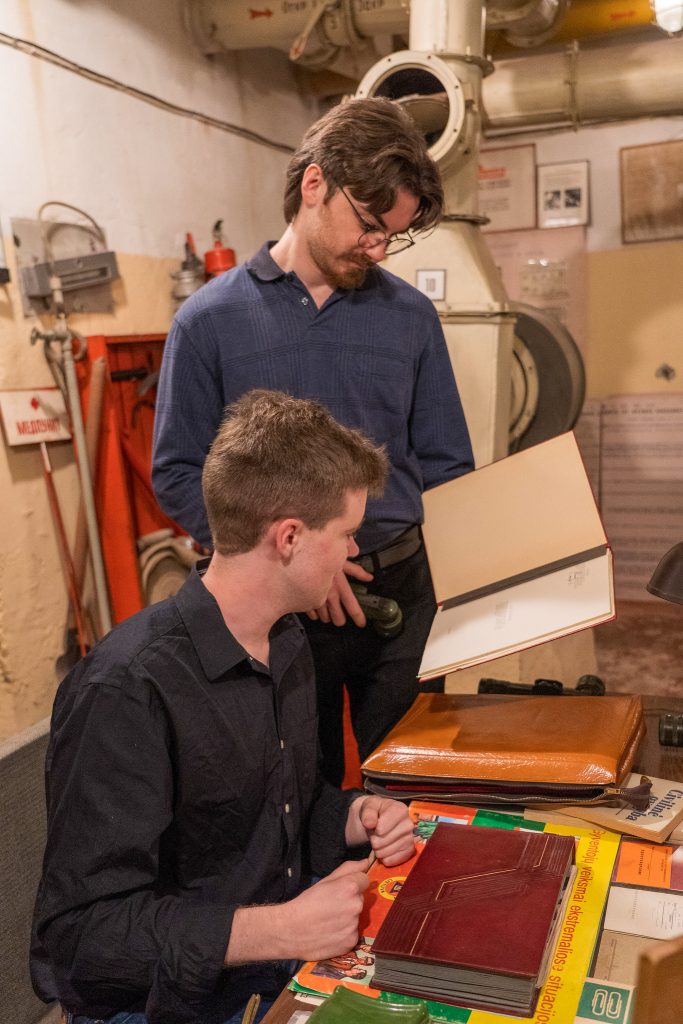
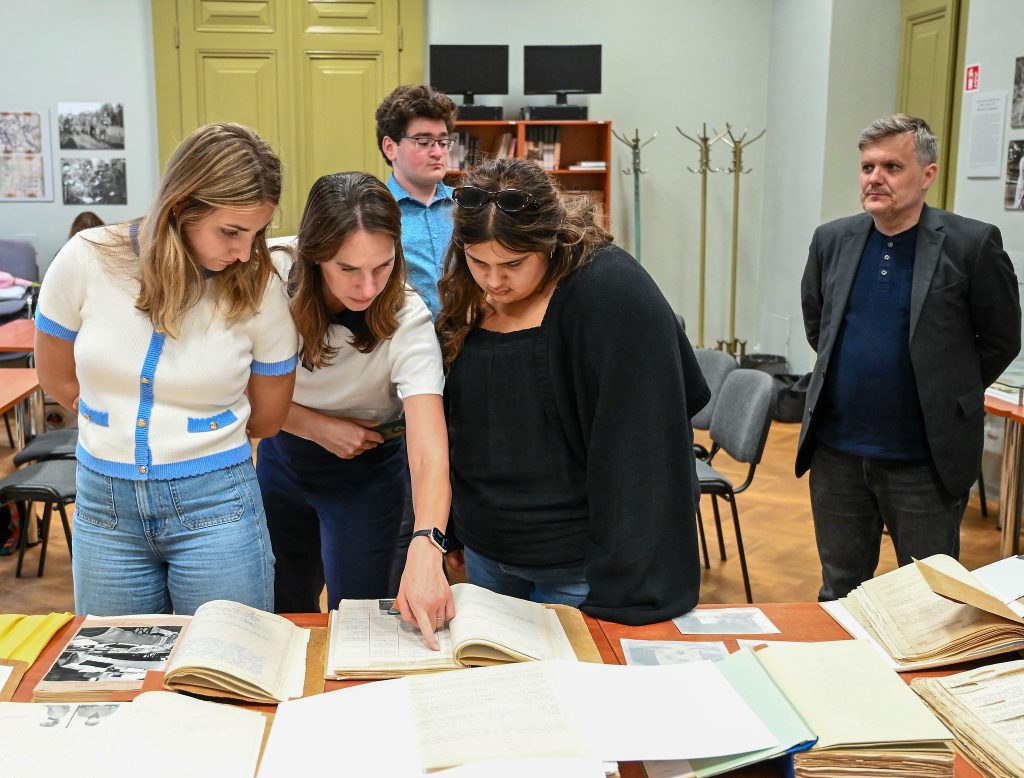
One of the most distinctive experiences on the Lithuanian visit was an archive workshop hosted by Dr. Inga Zakšauskienė at the Lithuanian Special Archives, housed in the former KGB headquarters in Vilnius. Students handled primary-source KGB personnel files and source records, documents that were classified for decades and are now preserved as evidence of Soviet political repression. The program also included a visit to the Museum of Occupation and Freedom Fights and a meeting with Vice-Minister Sigitas Mitkus at the Lithuanian Ministry of Foreign Affairs.
In Latvia, the program focused on the media. After a walking tour of Riga’s Old Town, students visited the Media Hub—a Riga-based organization that supports Russian journalists working in exile—and heard directly from reporters who continue to broadcast despite operating outside Russia. The visit was followed by a dinner discussion with Jill Dougherty, a veteran CNN correspondent who covered Russia for decades and has continued analyzing the region through the invasion of Ukraine. Dougherty offered students a firsthand account of the changing media environment in Russia and the Baltic region and answered questions about what independent journalism looks like under those conditions.
The program concluded in Estonia with a series of lectures and expert roundtables. In Tallinn’s UNESCO-listed Old Town, students received a monuments lecture from Dr. Kristo Nurmis tracing Estonian history from the 1940s through Soviet and Nazi occupation to the present. Former Clements Center fellow Andrew Huebner, who recently became a lecturer in military history at the Estonian Military Academy, accompanied the group during the Tallinn portion of the program. A roundtable at the International Centre for Defence and Security (ICDS) allowed students to talk with security and defense experts about topics including Russia’s hybrid warfare tactics, Estonia’s manpower reserves, and the “Narva is Next” debate—the question of whether Russia might attempt a limited incursion into Estonia’s Russian-speaking border city following any end to the war in Ukraine. A lecture at Tallinn University by Dr. Mart Kuldkepp addressed NATO’s northeastern flank in broader strategic context.
Students also visited the Estonian Ministry of Defence, where Helmuth Martin Reisner, Director of the International Co-operation Department, discussed Estonia’s independent defense capabilities, the role of societal support in sustaining those capabilities, and the logic of collective deterrence. The program closed with a visit to the U.S. Embassy in Tallinn and a farewell dinner.
“The Summer Beyond Borders program in the Baltics was a life-changing experience that gave my peers and me the opportunity to explore the rich history, resilience, and security challenges that shape Baltic states; a place where historical memory shapes policy,” said Priyanka Bhutani, international relations and global studies major. “One moment that has stayed with me was visiting Pabradė Military Base in Lithuania. Seeing NATO forces training on the Alliance’s eastern flank transformed concepts I had studied in the classroom into something tangible, and it reinforced how deterrence depends not only on military capability, but also on the visible commitment of allies to one another.”
Check out the video recap and the photo album for a closer look at the 2026 Beyond Borders: Baltics Program.
Students interested in the program can learn more on the Clements Center website.