


9/11: What Happened, and What It Means Today
Speaker:
Paul Edgar
Clements Center Executive Director, Moderator
September 11, 2026 | 4 – 5:30 pm | AT&T Hotel & Conference Center

On September 11, 2026, the Clements Center for National Security, in partnership with the The Kay Bailey Hutchison Energy Center, will host a panel discussion titled “9/11: What Happened, and What It Means Today.” Join us from 4–5:30 p.m. in the AT&T Hotel & Conference Center. The panel is part of the 2026 Energy Symposium.
Twenty-five years after 9/11, energy security remains linked to geopolitics, conflict, and resilience. Explore lessons from the past quarter century and emerging risks—from cyber threats and great power rivalry to supply shocks and infrastructure vulnerability. Free and open to the public, but registration is required.
Panelists will include:
— Senator Kay Bailey Hutchison, Founding Member, KBH Energy Center
— William Inboden, Executive Vice President and Provost, The University of Texas at Austin
— Bobby Chesney, Dean of The University of Texas School of Law
— Maynard Holt, Founder and CEO of Veriten
— Paul Edgar (Moderator), Executive Director of the Clements Center for National Security
Speaker Biographies
Senator Kay Bailey Hutchison
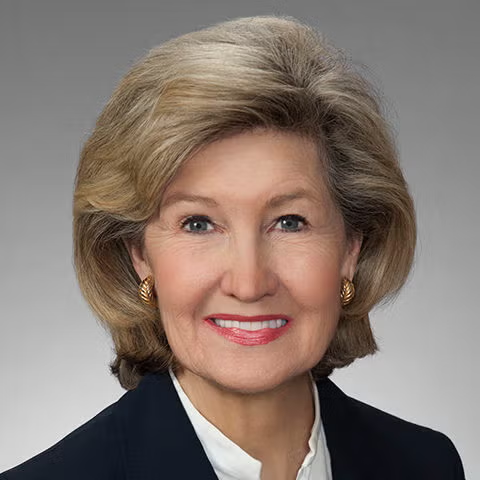
Kay Bailey Hutchison served as the United States Ambassador to the North Atlantic Treaty Organization (NATO) 2017–2021. During her term, she focused on the importance of U.S. leadership in the Alliance and strengthening the transatlantic bond that provides the security umbrella for Europe and North America. From 1993 to 2013, Kay represented the State of Texas in the United States Senate. She was elected, by her peers, to chair the Republican Policy Committee. Kay served two terms as Chair of the Board of Visitors at The U.S. Military Academy at West Point. She is the author of three books, including the bestseller, American Heroines, (William Morrow, 2004), and is on the Dallas Federal Reserve Energy Advisory Council. In 2013, the Dallas City Council named the City’s Convention Center in her honor. Her alma mater, the University of Texas at Austin, also named its Energy Center in her honor. Kay is the recipient of The University of Texas Presidential Citation Award, the highest honor bestowed by the University. She earned a B.A and J.D. from the University of Texas at Austin.
William Inboden
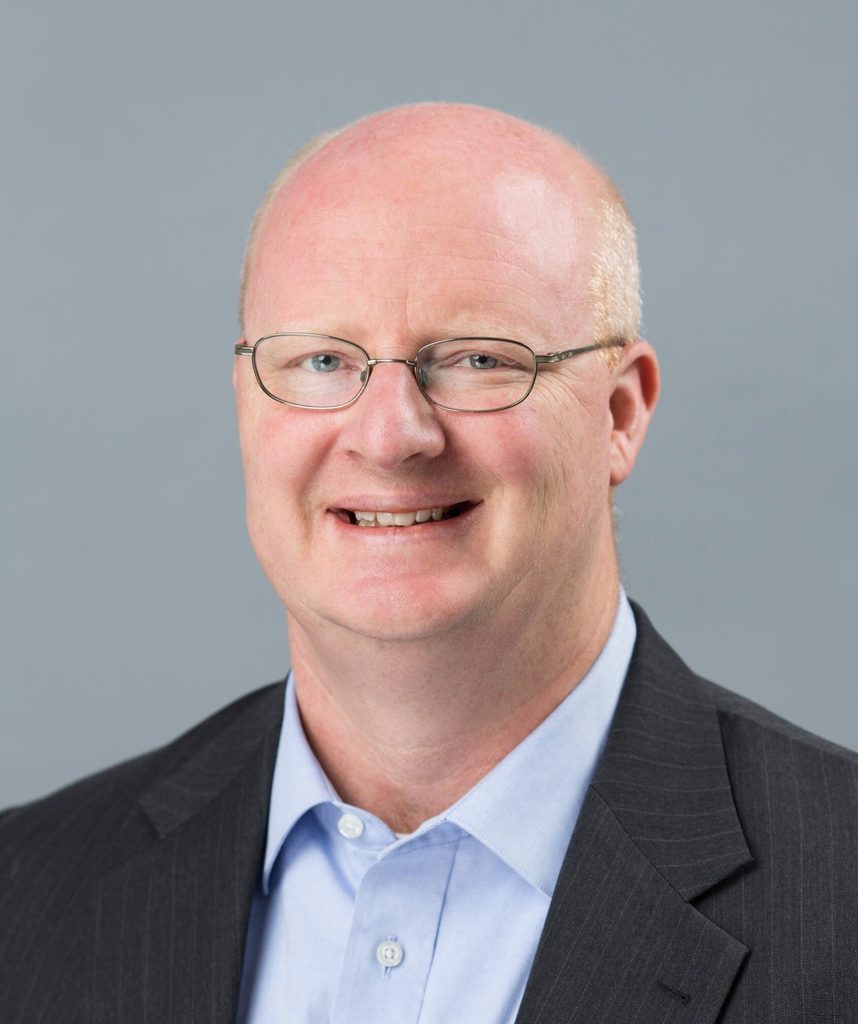
Dr. William Inboden began serving as executive vice president and provost on August 1, 2025. He also holds the William Powers Jr. Chair and a joint faculty appointment with the Department of History and the School of Civic Leadership. As the University’s chief academic officer, he leads UT Austin’s academic mission and ensures the excellence and continued innovation of research and teaching endeavors across campus. A distinguished teacher and scholar who has served in leadership positions in both higher education and government, Dr. Inboden has a long history at UT Austin, previously holding positions such as the executive director of the Clements Center for National Security, co-director of The University of Texas System National Security Network, and a faculty member in the LBJ School of Public Affairs. Before academia, he held several foreign policy positions with the US Government, including service on the National Security Council at the White House. He received his A.B. in History with Honors from Stanford University and his M.A., M.Phil, and Ph.D. in History from Yale University. Dr. Inboden has authored numerous books, articles and chapters on diplomatic history, religion and foreign policy, the American presidency, and national security. His research and teaching have been recognized with several honors, including selection as a “Texas 10” by the Texas Exes.
Bobby Chesney
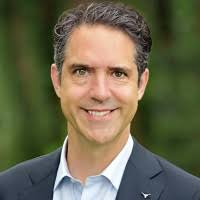
Bobby Chesney is the Dean of Texas Law and holds the James A. Baker III Chair in the Rule of Law and World Affairs. He was previously the Associate Dean for Academic Affairs (2011-2022) and director of the Robert S. Strauss Center for International Security and Law (a University-wide research unit bridging across disciplines to improve understanding of international security issues). He has served the university in a variety of other capacities, including co-chairing several university-wide strategic planning processes. Dean Chesney’s scholarship focuses on U.S. national security and cybersecurity. His articles may be downloaded from SSRN here. He teaches a variety of courses, including: Cybersecurity Law and Policy; Law of the Intelligence Community; Constitutional Law; National Security Law; Evidence; and Counterterrorism Law and Policy. Dean Chesney is a co-founder and contributor to www.lawfareblog.com, the leading source for analysis, commentary, and news relating to law and national security. In addition to his blogging at Lawfare, those interested in national security law should consider following Dean Chesney on Twitter (@bobbychesney), listening to the National Security Law Podcast (which he co-hosts with his colleague Steve Vladeck), and viewing his contributions to the National Security Law Lectures series (which he co-founded with Matt Waxman). In 2021, Dean Chesney was appointed to the Cybersecurity Advisory Committee for the U.S. government’s Cybersecurity and Infrastructure Security Agency. In 2009, Dean Chesney served in the Justice Department in connection with the Detention Policy Task Force created by Executive Order 13493. He also previously served as an associate member of the Intelligence Science Board and as a member of the Advanced Technology Board, both of which were advisory to the Office of the Director of National Intelligence. He has been a member of the American Law Institute since 2007. Dean Chesney is a magna cum laude graduate of both Texas Christian University and Harvard Law School. After law school he clerked for the Honorable Lewis A. Kaplan of the United States District Court for the Southern District of New York and the Honorable Robert D. Sack of the United States Court of Appeals for the Second Circuit. He then practiced in the litigation department of Davis Polk & Wardwell in New York City.
Maynard Holt
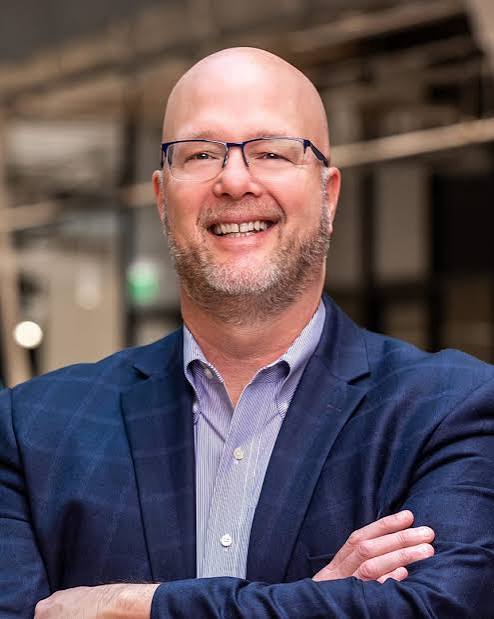
Maynard Holt is founder and CEO of Veriten, and former Chief Executive Officer of Tudor, Pickering, Holt & Co. He has over 25 years of energy investment banking experience. Prior to joining Tudor, Pickering, Holt & Co. in 2007 and heading the Upstream Investment Banking group, Maynard previously served as a managing director with Goldman, Sachs & Co. where he worked in Leveraged and Structured Finance (1994 to 1998) and Energy & Power / Natural Resources (1999 to 2007). Maynard holds a BA in Economics and Russian from Rice University and a Masters in Public Policy from the John F. Kennedy School of Government at Harvard University. Maynard serves on the board of a number of philanthropic organizations including OneGoal Graduation, The Houston Museum of Natural Science, Community in Schools, and the University of Oklahoma Energy Management Board of Advisors. He is also a member of the George W. Bush Advisory Council and on the board of Texas 2036.
Paul Edgar
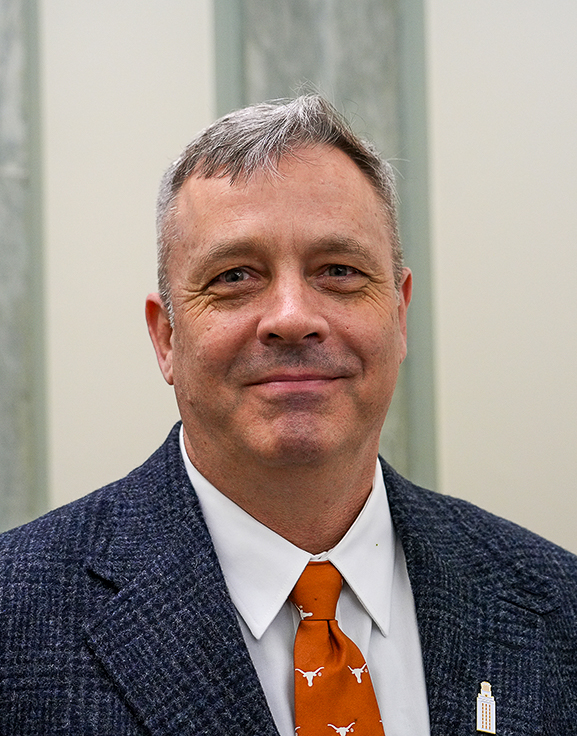
Paul Edgar was appointed the Executive Director of the William P. Clements, Jr. Center for National Security at the University of Texas-Austin in May 2026. He holds a PhD in Middle Eastern Languages and Cultures from the University of Texas and studies the historical origins of diplomacy, war, and strategy in pre-classical antiquity. He is also a philologist of several ancient languages. As a graduate student, he was a fellow in the Andrew W. Mellon Foundation’s Engaged Scholar Program and also with the Clements Center. Prior to beginning work on his PhD, Paul had been an Olmsted Foundation Scholar at Tel Aviv University where he studied for his master’s degree, focusing on early Israelite and Jewish literature from the Iron Age through the Crusades. Previously, Paul earned his Bachelor of Science degree in chemistry from Saint Mary’s University. His public writing has appeared in Foreign Policy, Task & Purpose, and Capital Commentary. He is currently writing an international diplomatic history of the Late Bronze Age. Before entering academia, Paul served more than 22 years as an infantry officer in the U.S. Army, mostly in conventional airborne and special operations assignments.