

By Type
By Topic
By Year
Press | History
To Deter Russia, Look to Reagan
William Inboden | Oct 19, 2022
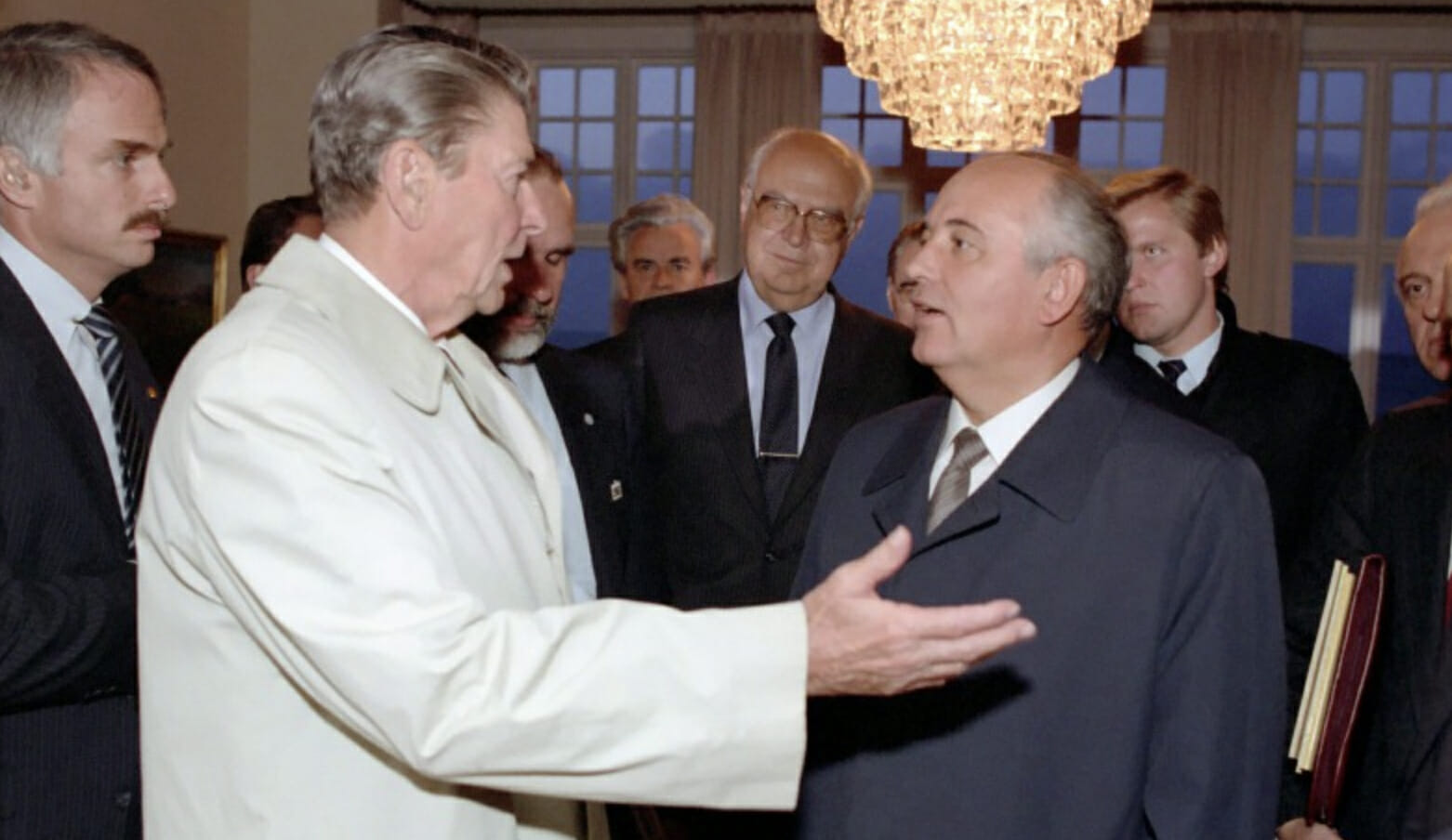
In the National Review, Clements Center Executive Director William Inboden writes that the combination of pressure and diplomacy offers the best way to counter Putin, liberate Ukraine, and avoid nuclear war.
Horns of a Dilemma: A Remembrance of Things Not Actually Past
Katie Stallard | Oct 14, 2022

In this week’s episode of Horns of a Dilemma, Katie Stallard, a journalist and scholar, speaks about her book, Dancing on Bones: History and Power in China, Russia, and North Korea. Stallard details how totalitarian regimes use a doctored version of history–especially history regarding World War II–to forcibly shape public remembrance in a way that reinforces the goals of the regime.
H-Diplo Roundtable Discusses “The Reagan Moment”
Jonathan Hunt, Simon Miles | Oct 06, 2022
H-Diplo held a roundtable on “The Reagan Moment: America and the World in the 1980s.” The book, edited by Jonathan Hunt and Simon Miles, originated from a Clements Center conference held in January 2017.
Horns of a Dilemma: Afghan Crucible
Elisabeth Leake | Sep 09, 2022
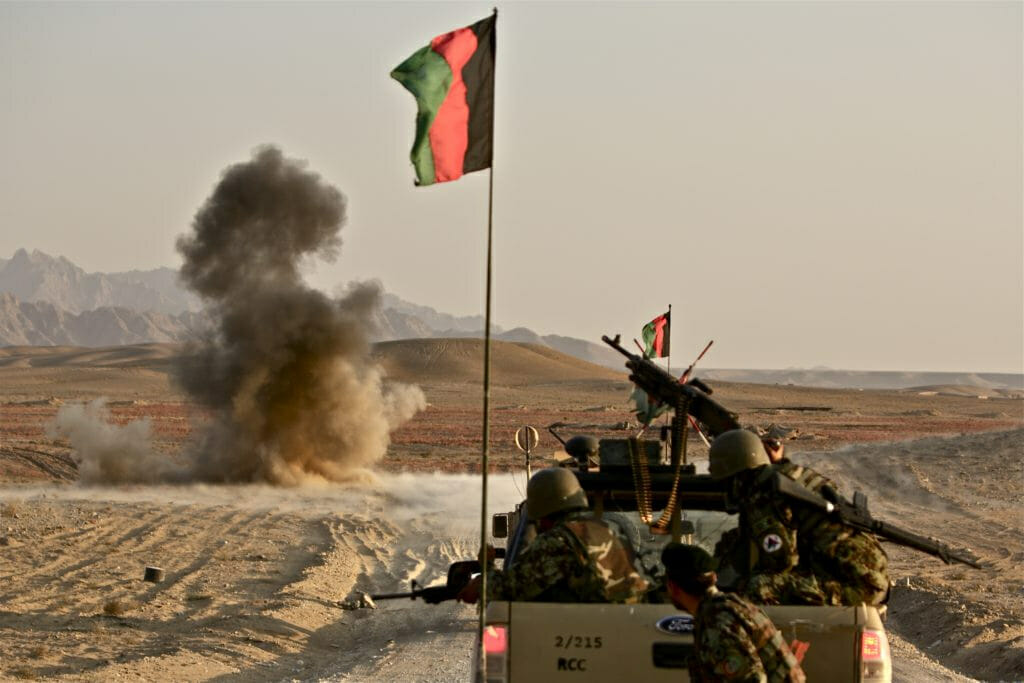
Phrases such as, “history is written by the victors,” while often cycnical, hint at a fundamental truth: Historical events assume different significance depending on the perspective from which they are viewed. In this week’s episode of Horns of a Dilemma, Professor Elisabeth Leake of the Fletcher School at Tufts University discusses her book, Afghan Crucible, which examines the war in Afghanistan from a variety of different historical, political, and geographic perspectives.
Will Inboden and Jeremi Suri pen op-ed honoring Mikhail Gorbachev in The Hill
Will Inboden, Jeremi Suri | Sep 02, 2022
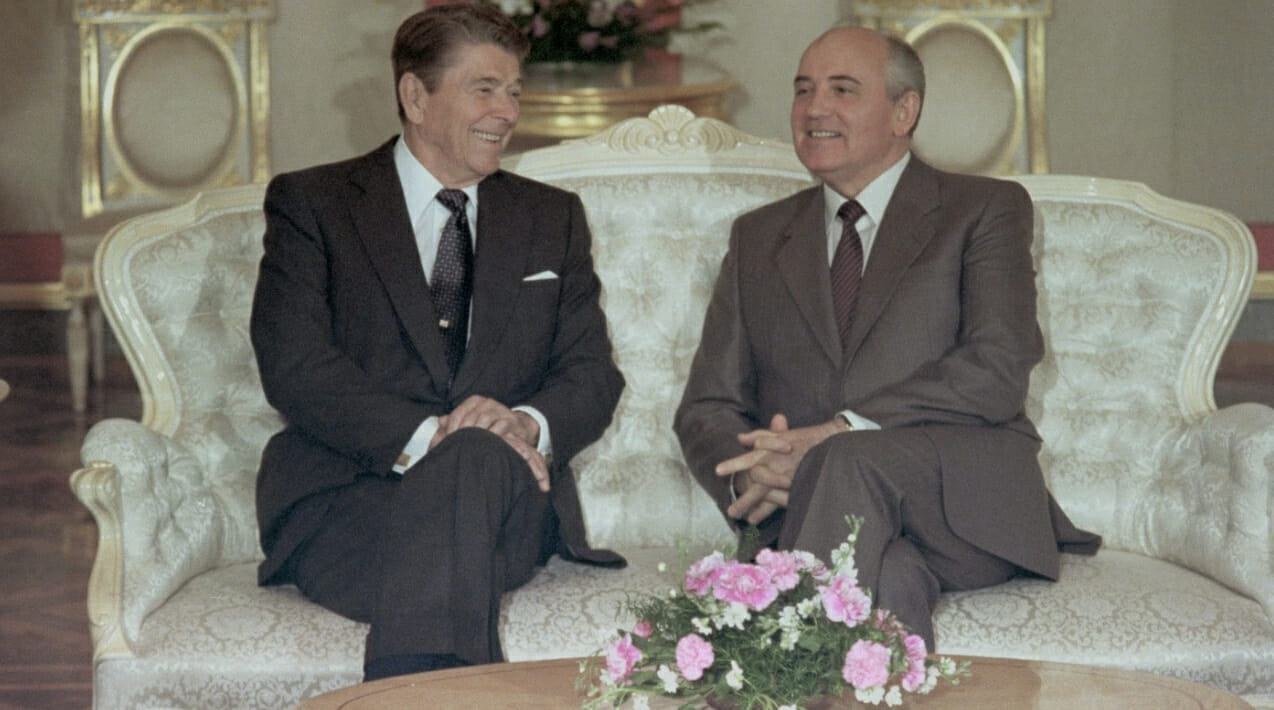
We were very sad to hear of the passing of Mikhail Gorbachev, the last leader of the Soviet Union. Will Inboden, Executive Director of the Clements Center, and Jeremi Suri, the Mack Brown Distinguished Chair for Leadership in Global Affairs at The LBJ School of Public Affairs, penned an op-ed on The Hill about this remarkable man whose role in the “sprint for peace” changed the course of history.
Mark Pomar Interviewed on Rashkin Report About “Cold War Radio”
Mark Pomar | Aug 29, 2022
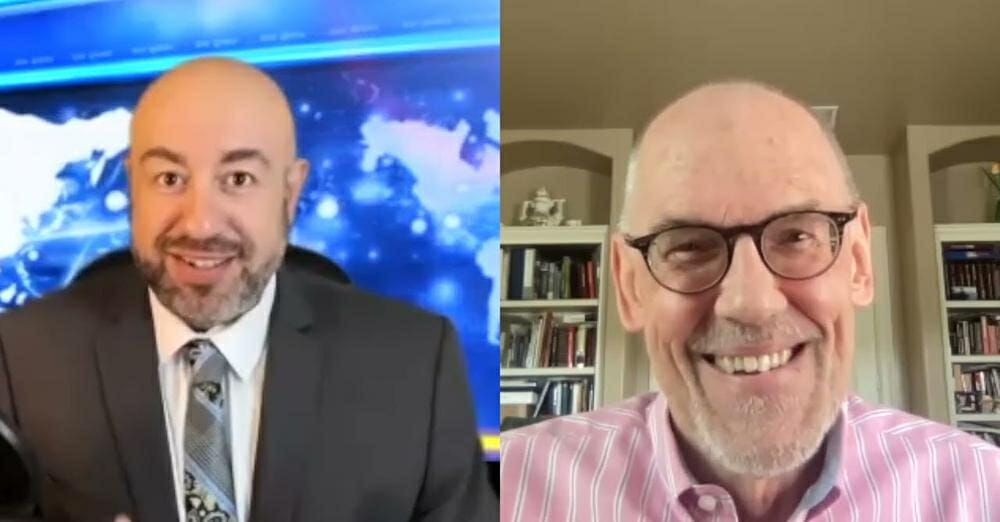
Clements Center Senior National Security Fellow Mark Pomar was interviewed on Rashkin Report about his time with Voice of America and Radio Liberty/Radio Free Europe during the Cold War.
Clements Postdoctoral Fellow William Chou to appear on Jeopardy!
William Chou | Jul 14, 2022
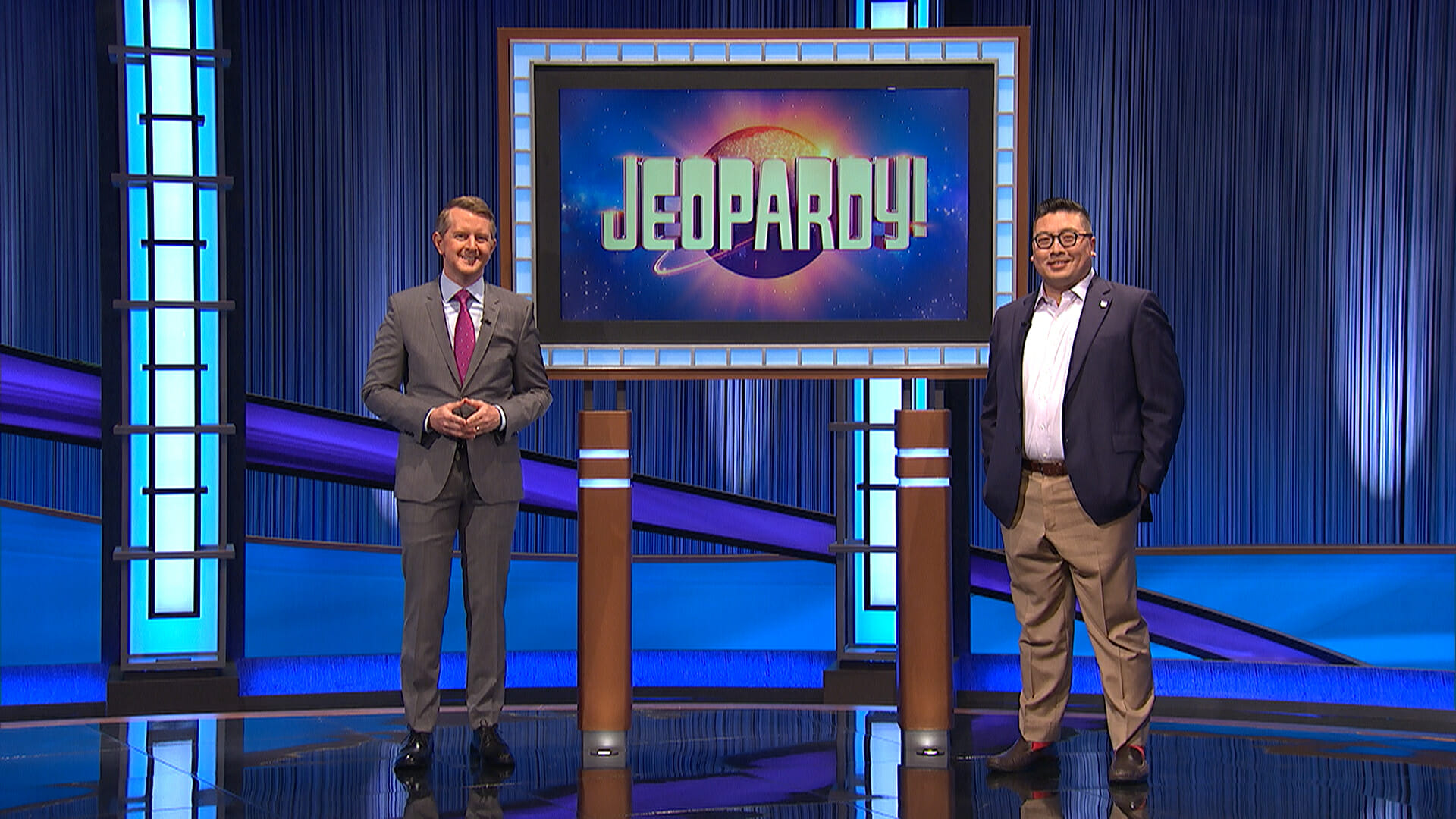
Clements Center Postdoctoral Fellow William Chou will be a contestant on Jeopardy! next Monday, July 18th! Check www.jeopardy.com/watch for local broadcast stations and times. William is a historian of postwar US-Japanese commercial and security relations and a Jeopardy! fan who achieved his lifelong dream of being on the show. We hope you will tune in to cheer for William.
Daniel Samet Reviews Paul Kennedy’s “Victory at Sea”
Daniel J. Samet | Jul 08, 2022

Amy Liu and Ethan Masucol Coauthor Paper on Chinese Filipino Experience During Conflict with China
Ethan Masucol, Amy H. Liu, and Jangai Jap | Jul 06, 2022
Faculty Fellow Amy Liu, former Undergraduate Fellow Ethan Masucol, and Jangai Jap coauthored a new paper, “Islands Apart: Explaining the Chinese Experience in the Philippines”. It explores why, historically and in the present day, the Chinese Filipino community doesn’t experience hostility during times of conflict with China as immigrant communities do elsewhere.
Horns of a Dilemma: History is What States Make of It
Andrew Ehrhardt, Doyle Hodges | Jun 24, 2022
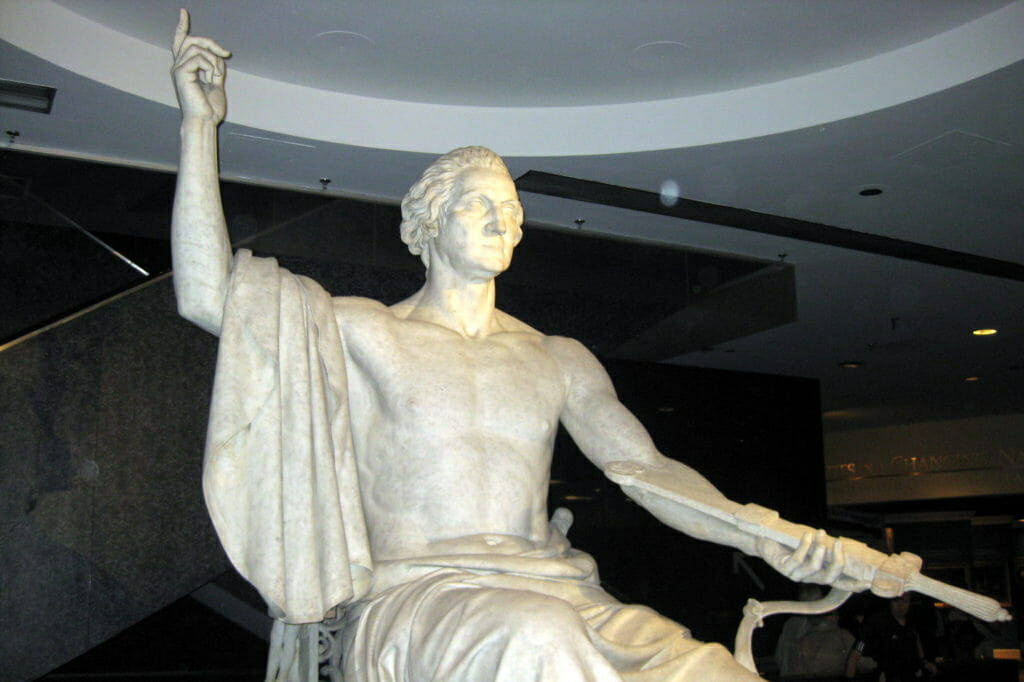
Political scientist Alexander Wendt famously (well, in political science circles anyway) observed of the international system that “anarchy is what states make of it.” In this week’s episode of Horns of a Dilemma, we explore the degree to which this observation is true not only of the international system, but also of the mental constructs that states, leaders, and citizens use to think about the concept of an international system and their place in it.
Horns of a Dilemma: Word Politics
Rachel Hoff, Will Inboden | Jun 07, 2022
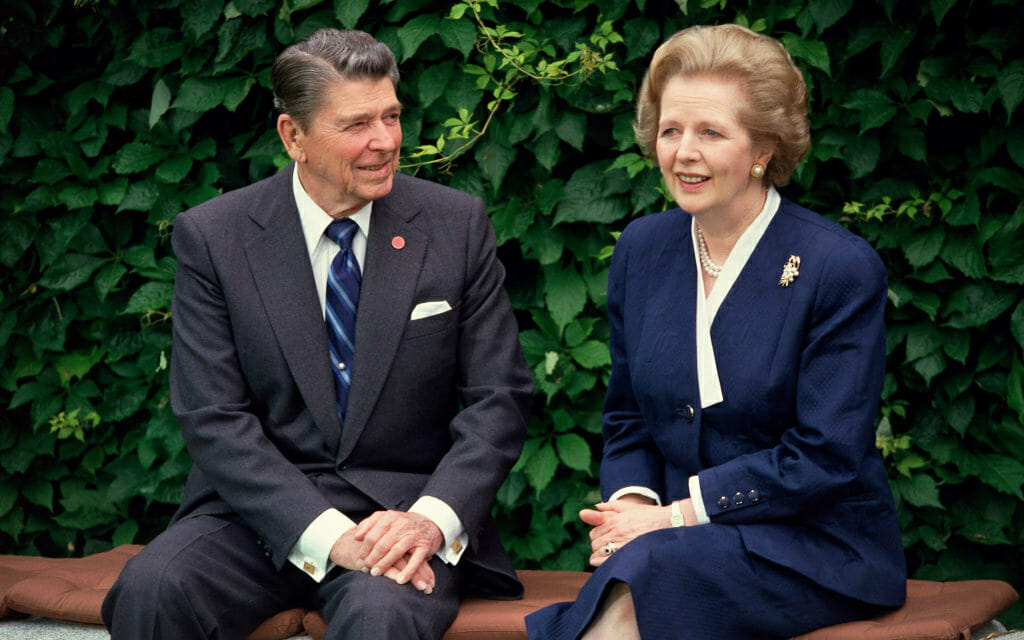
Forty years ago this week, U.S. President Ronald Reagan spoke to the British Parliament in Westminster. In this week’s episode of Horns of a Dilemma, Clements Center Executive Director (and TNSR Editor in Chief) Will Inboden sits down with Rachel Hoff, policy director of the Ronald Reagan Presidential Foundation and Institute, to discuss the speech and its legacy.
Horns of a Dilemma: War Crime and Punishment
Derek Jinks | May 20, 2022
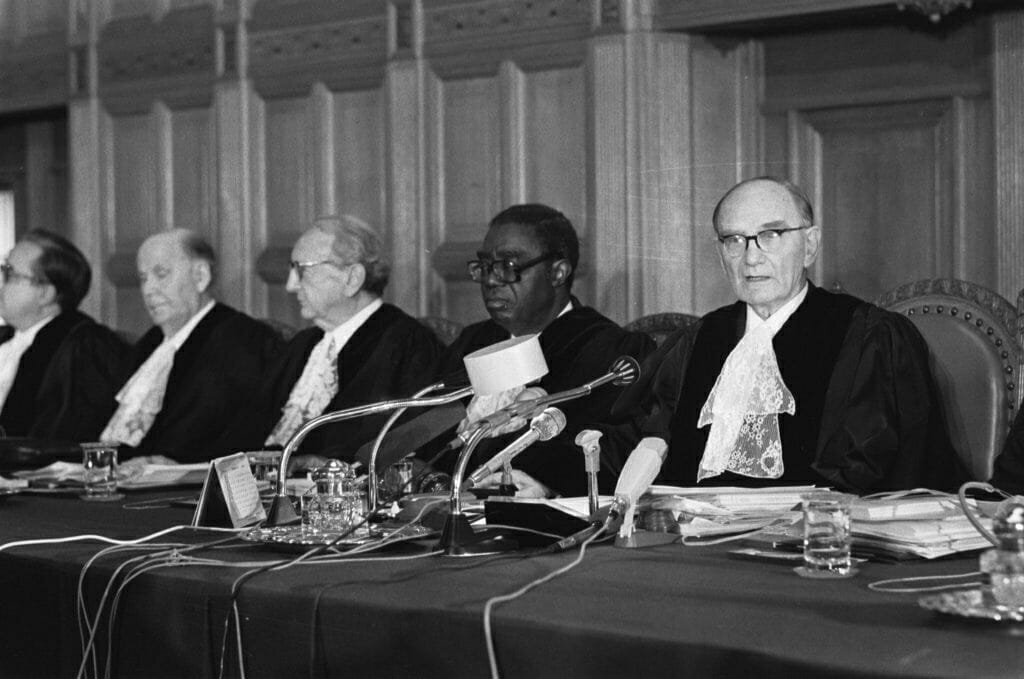
In this week’s episode of Horns of a Dilemma, University of Texas Law School Professor Derek Jinks discusses the legal landscape that developed after World War II, which defines the modern concept of war crimes.
Comparative Strategy publishes Tommy Jamison’s new article on Naval Power in Industrial Warfare
Tommy Jamison | May 11, 2022
Former Clements Predoctoral Fellow Tommy Jamison, currently an Assistant Professor in the Defense Analysis Department at the Naval Postgraduate School, published a new article in Comparative Strategy.
Horns of a Dilemma: Foreword to Victory: Paul Kennedy on the Naval History of World War II
Paul Kennedy | May 06, 2022

In this episode of Horns of a Dilemma, historian Paul Kennedy speaks about his new book, Victory at Sea: Naval Power and the Transformation of the Global Order in World War II.
Intelligence and National Security publishes Alexandra Sukalo’s new article on Soviet Political Police in Post-WWII Europe
Alexandra Sukalo | May 04, 2022
Clements Postdoctoral Fellow Alexandra Sukalo’s article, “Learning to Think and Talk Like the Locals: The Soviet Political Police’s Efforts to Adapt in Lithuania and Ukraine, 1944-1949”, was recently published in Intelligence and National Security. The author has a limited number of free access codes. If you need one to read the article please email alexandra.sukalo@austin.utexas.edu.
Daniel Samet reviews Martin Indyk’s “Master of the Game: Henry Kissinger and the Art of Middle East Diplomacy”
Daniel J. Samet | Apr 25, 2022
Clements Graduate Fellow Daniel J. Samet reviewed Martin Indyk’s new release, “Master of the Game: Henry Kissinger and the Art of Middle East Diplomacy” for Not Even Past.
Horns of a Dilemma: Your Orders are not on Paper, Changing Political Order in the Long Twentieth Century
Patrick Cohrs | Apr 22, 2022
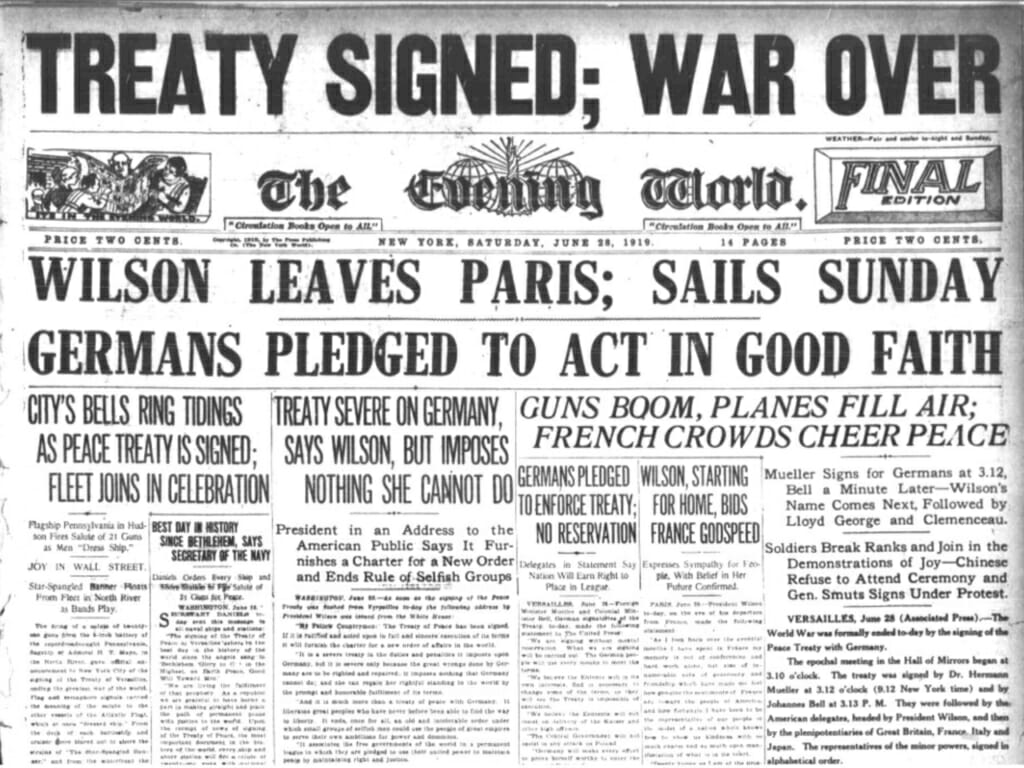
In this week’s episode of Horns of a Dilemma, University of Florence professor Patrick Cohrs examines how the rules of political order may change.
Horns of a Dilemma: Second Thoughts About the Third World
Mark Lawrence | Apr 15, 2022

Mark Lawrence, argues in his new book, The End of Ambition: The United States and the Third World in the Vietnam Era, that the war in Vietnam marked dramatic re-thinking of ambitions in U.S. foreign policy.
Will Inboden and Nick Romanow on what the Trans-Siberian Pipeline crisis can teach us about competing with China today
Will Inboden, Nick Romanow | Apr 05, 2022
Clements Executive Director Will Inboden and alumnus Nick Romanow published a commentary on War on the Rocks re what can be learned from Trans-Siberian Pipeline dispute when it comes to managing alliances while confronting a hostile great power.
Andrew Ehrhardt on why national security scholars should be be wary of “applied historicism”
Andrew Ehrhardt | Mar 29, 2022

Jeremi Suri releases new book, “Civil War by Other Means”
Jeremi Suri | Feb 16, 2022
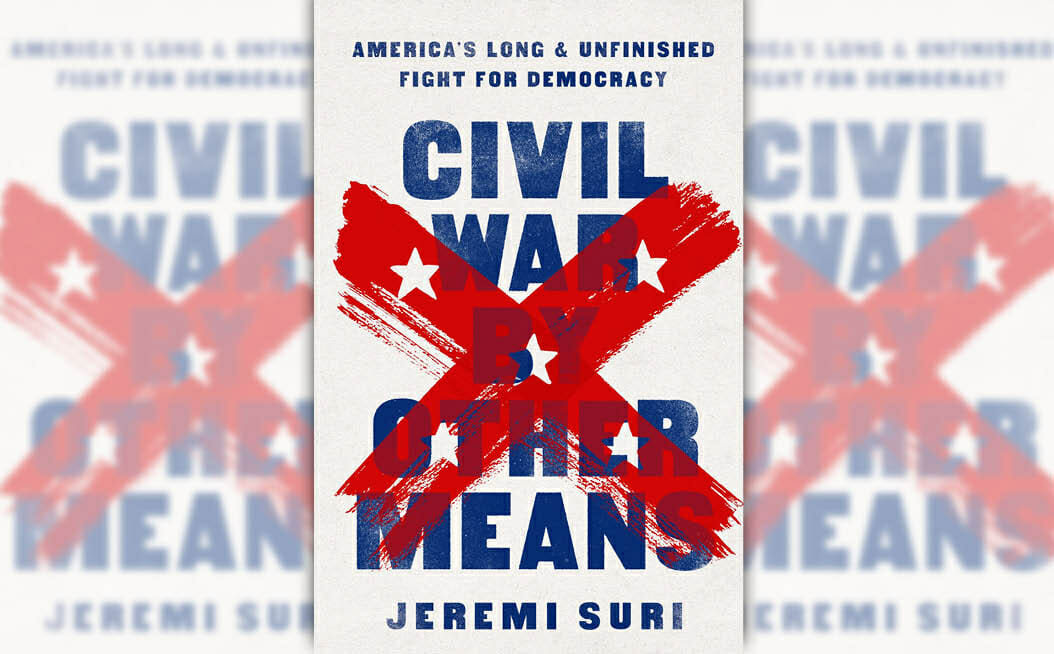
Congratulations to Clements Faculty Fellow Jeremi Suri on his upcoming release, “Civil War by Other Means”.
Paul Edgar’s study of King Idrimi featured on Classics of Strategy and Diplomacy
Paul Edgar | Jan 05, 2022
Even the most ancient history is relevant to those who study modern geopolitics, strategy, and statecraft. On Classics of Strategy and Diplomacy, Clements Associate Director Paul Edgar details what a statue of King Idrimi tells us about the similarities between his time and ours.
William Inboden contributes to POLITICO’s 2021 hypothetical history recap
William Inboden | Jan 04, 2022
How will history remember 2021? POLITICO Magazine asked 18 historians to envision the entry for the year in a hypothetical future history book. William Inboden, Executive Director of the Clements Center for National Security, was one of the chosen contributors.
2021 Holiday Reading List from War on the Rocks and Texas National Security Review
Will Inboden | Dec 07, 2021
If you’re looking for a book to dive into over your semester break, check out the 2021 holiday reading list from War on the Rocks and Texas National Security Review.
Horns of a Dilemma: A Faustian Bargain
Ian Johnson | Dec 03, 2021
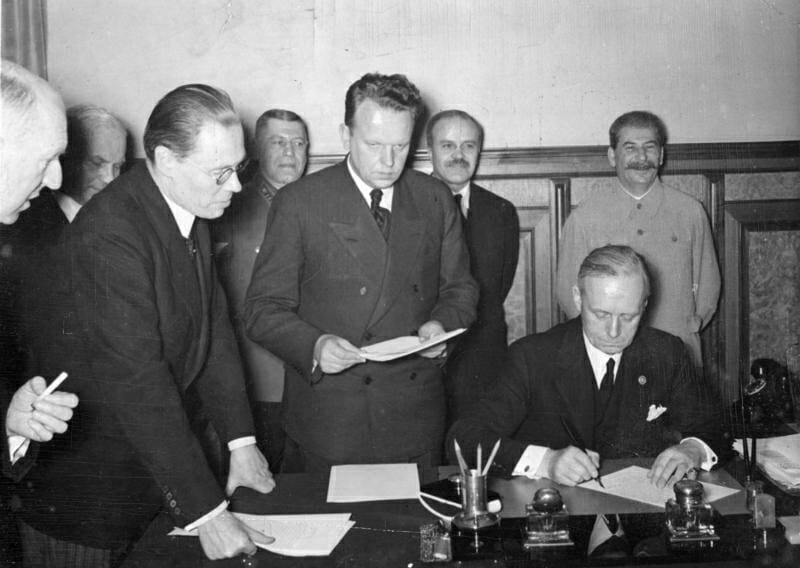
Ian Johnson, of Notre Dame University and a former Clements Center fellow, discusses Soviet and German cooperation in the decades prior to WWII in this week’s episode, as detailed in his book, Faustian Bargain: The Soviet-German Partnership and the Origins of the Second World War.
NY Times reviews Simms and Laderman’s new book, “Hitler’s American Gamble”
Charlie Laderman and Brendan Simms | Nov 22, 2021
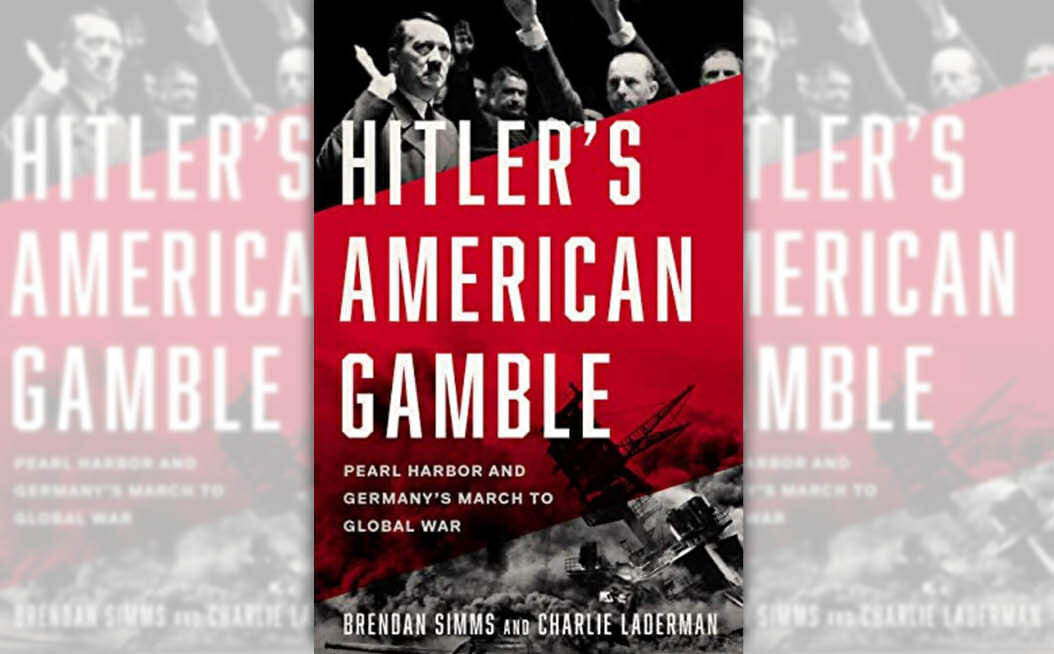
Robert Divine: 1929-2021
Oct 19, 2021
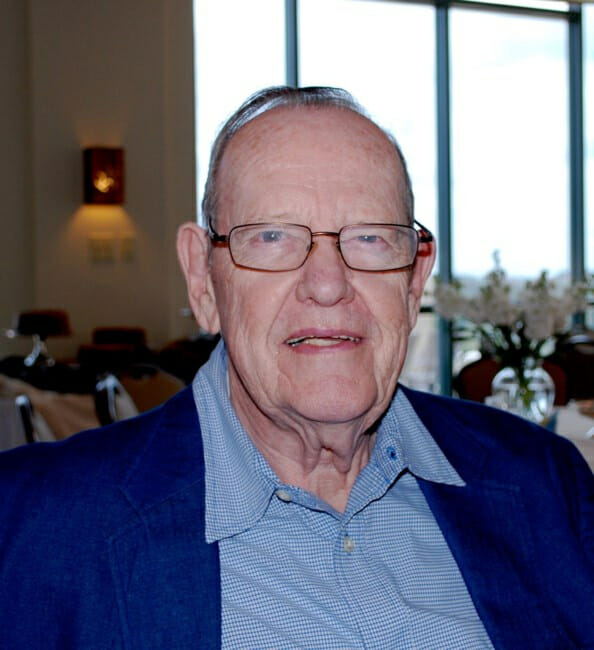
The Department of History lost one of its true giants last Wednesday when Robert Divine, a preeminent scholar of U.S. foreign relations, passed away at the age of 92. Bob taught at UT for a remarkable 42 years before retiring in 1996. Along the way, he published 14 books, racked up numerous teaching awards, served as department chair, and advised numerous PhD students who went on to distinguished careers. Bob touched innumerable lives – including ours — and is remembered for generosity and good cheer as well as his scholarly brilliance.
Horns of a Dilemma: Refuge and Reconciliation
Amanda Demmer | Oct 01, 2021
In the wake of the American withdrawal from Afghanistan, much attention has focused on the fate of Afghan citizens who risked their lives to aid U.S. forces. The hastily organized evacuation of Afghan refugees has frequently drawn unfavorable comparison to the evacuation and resettlement of Vietnamese refugees after the fall of Saigon in 1975. As…
Horns of a Dilemma: MAD COWs and Practical Wisdom
John Emery, Doyle Hodges | Sep 10, 2021
In the 1950s, researchers at the RAND Corporation ran two different wargames exploring questions of nuclear strategy. Both were named the Cold War Game, known to the participants as COW. One, run by the Mathematics Analysis Division (MAD), abstracted questions of the ethics of nuclear war in order to seek reproducible results. The other, run…
Horns of a Dilemma: Diplomacy Shaken not Stirred
Paul Edgar | Aug 20, 2021
Mark Twain once said that history doesn’t repeat itself, but it does rhyme. The repetition of patterns of events and responses is one reason that scholars and policymakers often turn to the past for insight into how to best deal with contemporary events. It is also why classic works of history and strategy — such…
Former Postdoctoral Fellow, Ian Johnson, publishes new book “Faustian Bargain”
Ian Johnson | Jun 25, 2021
Congratulations to our former post-doctoral fellow Ian Johnson, now on Notre Dame’s history faculty, on the publication of his excellent new book with Oxford University Press.
Will Inboden addresses the impact of President Reagan’s “Tear Down this Wall” speech on the 34th anniversary for the Dallas Morning News
Will Inboden | Jun 12, 2021
“The most famous four words of the Cold War almost went unsaid. When President Ronald Reagan stood at Berlin’s Brandenburg Gate on June 12, 1987, and demanded ‘Mr. Gorbachev, tear down this wall!,’ he did so over fierce resistance within his own administration,” writer Inboden in his latest for the Dallas Morning News.
Horns of a Dilemma: Living in the House Designed by Greeks and Romans
Thomas Ricks | Jun 14, 2021
In this episode of Horns of a Dilemma, Thomas Ricks, journalist and historian, talks about his new book, “First Principles, What America’s Founders Learned from the Greeks and Romans and How that Shaped Our Country.” Ricks outlines the degree to which the founding fathers were influenced by the ancients and how this influence helped to…
Tomorrow marks the 34th anniversary to President Reagan’s “Tear Down this Wall” speech
Jun 11, 2021
Tomorrow is the 34th anniversary of President Reagan’s “Tear Down this Wall” speech at the Brandenburg Gate in Berlin, which helped lead to the liberation of Eastern Europe and the peaceful end of the Cold War. Follow the link to watch it on YouTube.
Naval historian, UT alum, and friend of Clements, Jim Hornfischer, receives Navy’s top civilian award
U.S. Navy Press Office | May 18, 2021
We at Clements would like to extend our congratulations to our friend Jim Hornfischer on his receipt of the Navy’s “Distinguished Public Service Award.”
Clements Center faculty and students mourn the loss of Classics of Strategy & Diplomacy Project founder Dr. Patrick Garrity
May 17, 2021
Over the past several years, many CC students and faculty members have worked with Dr. Garrity and have benefited greatly from his scholarship. He will be missed by many.